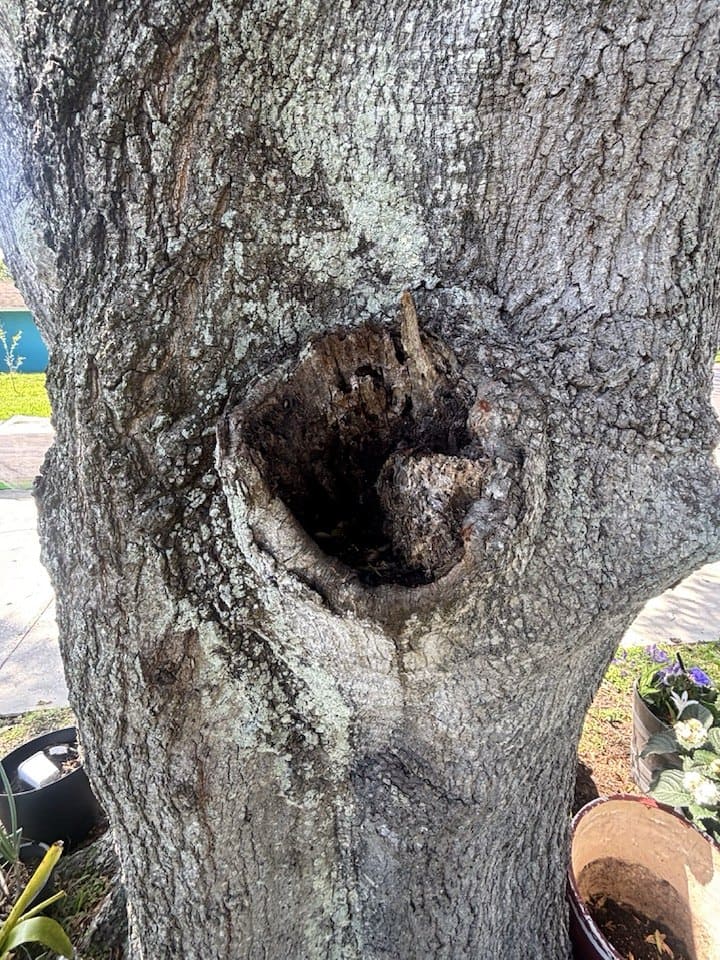
Tree cavities are often misunderstood because a tree can still appear green, full, and healthy even when its internal structure is significantly compromised. In reality, cavities are one of the clearest indicators of internal decay and long-term structural weakness. When these hollow areas develop in load-bearing sections of a tree—especially the trunk or major limbs—they can pose serious risks to surrounding property and safety.
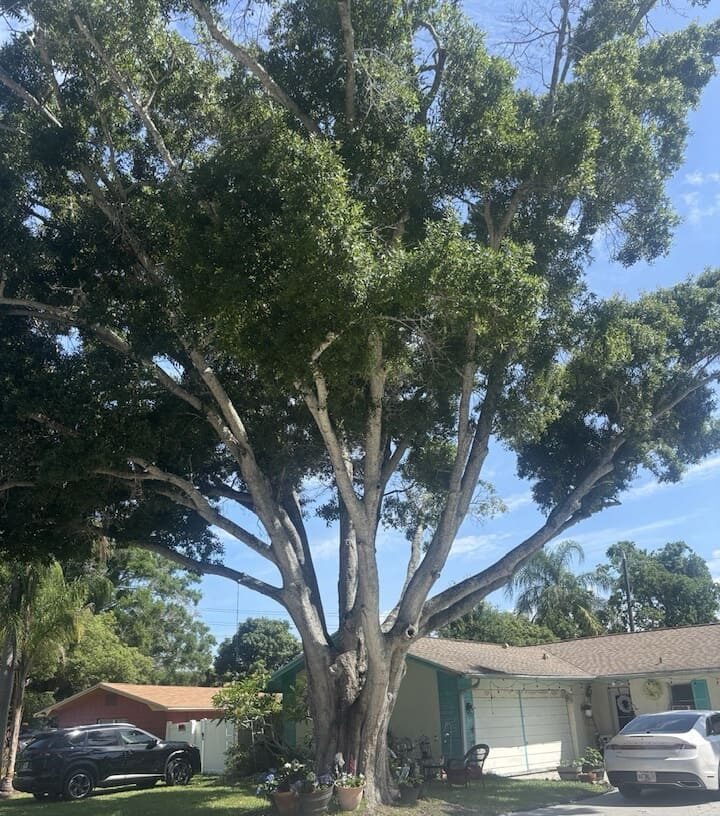
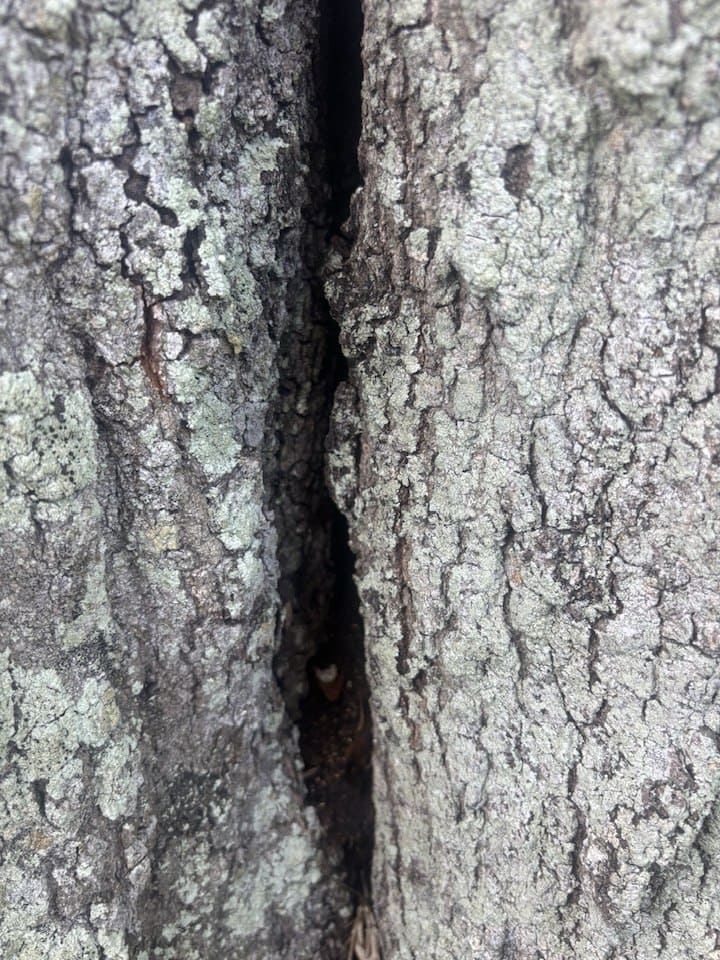
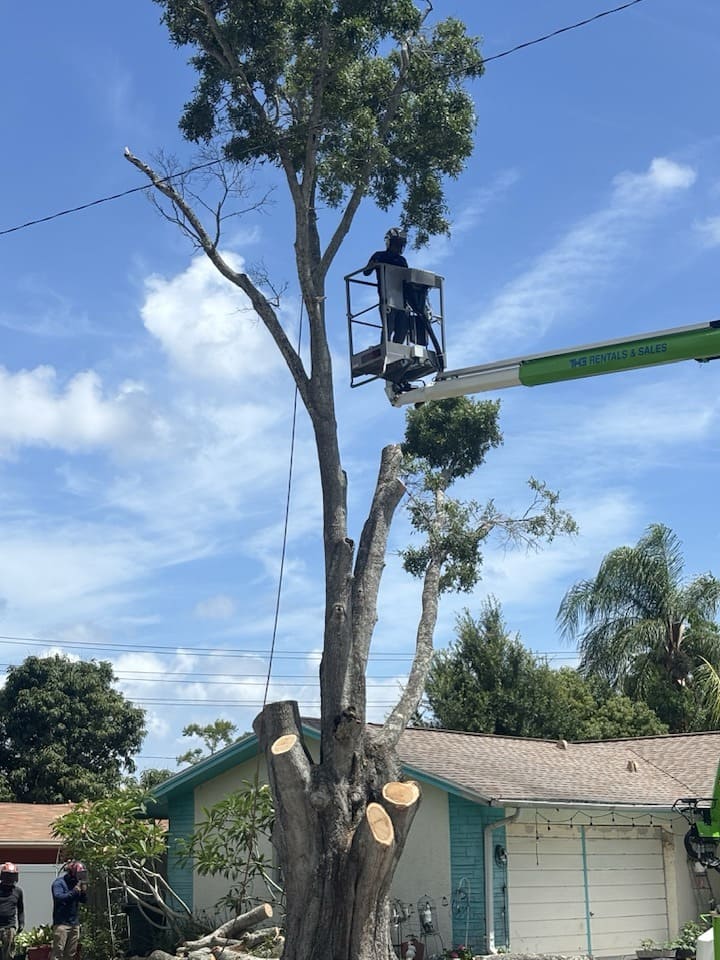
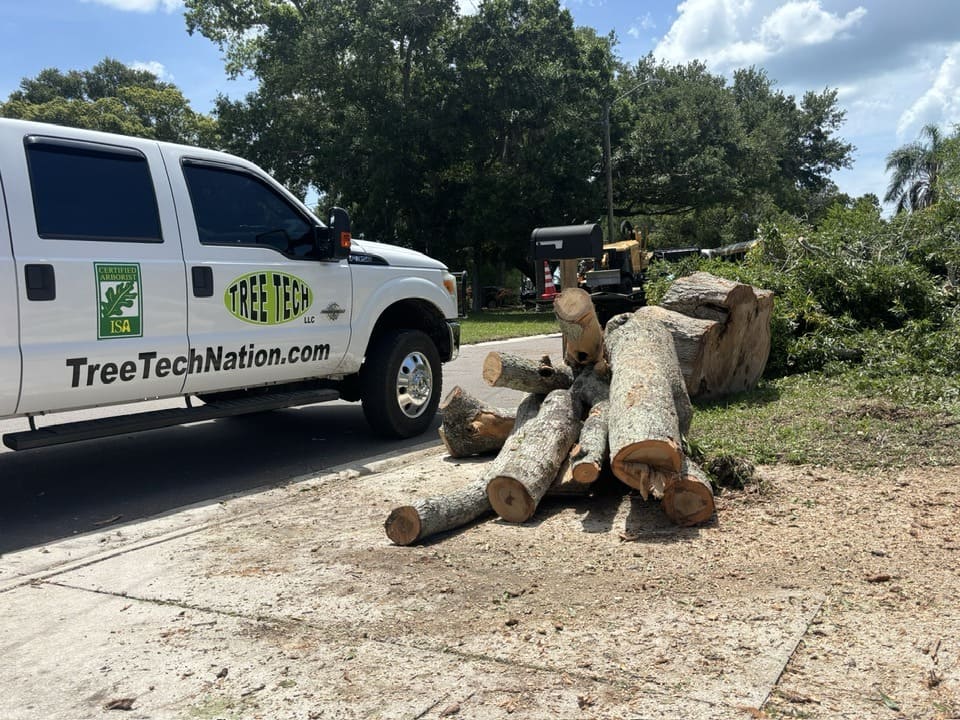
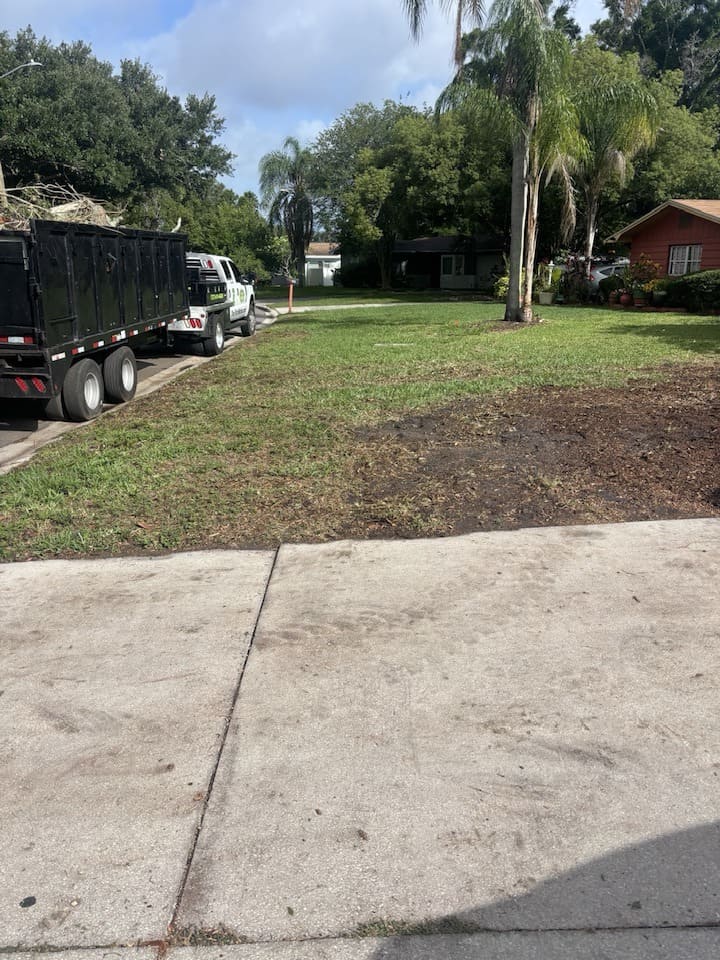
In a recent project in Dunedin, Florida, Tree Tech LLC safely removed a Laurel Oak that had multiple visible cavities and had become structurally unstable over a residential driveway and home. The situation highlighted an important reality: what you see on the outside of a tree does not always reflect what is happening inside.
What Are Tree Cavities?
Tree cavities are hollow spaces inside a tree that develop when internal wood decays and breaks down over time. This decay typically begins after the protective bark is damaged, allowing fungi, bacteria, or insects to enter the tree’s internal structure.
Once the decay process begins, it slowly consumes the heartwood—the central support system of the tree. While some trees can compartmentalize minor damage and survive for years, larger or expanding cavities often signal that the tree is losing its structural integrity.
Why Tree Cavities Are Dangerous
The primary concern with tree cavities is structural instability. Even if only part of the tree is hollow, the remaining wood may no longer be strong enough to support the weight of branches, especially during strong winds or heavy rain.
A tree with significant cavities can fail suddenly, dropping large limbs or even collapsing entirely. This becomes especially dangerous when the tree is located near homes, driveways, sidewalks, or power lines. In many cases, failure occurs without warning, making proactive assessment critical.
Warning Signs That Should Not Be Ignored
While cavities themselves are often hidden, there are visible signs that may indicate internal decay. These include the presence of fungal growth at the base or trunk, large dead branches in the upper canopy, cracks along the trunk, and areas where bark is missing or peeling away. A leaning posture or shifting root zone may also suggest that the tree is no longer structurally stable.
When multiple warning signs appear together, the risk level increases significantly and professional evaluation becomes necessary.
When Tree Removal Becomes Necessary
Not every tree with a cavity must be removed immediately. However, removal is typically recommended when the cavity is extensive, when multiple structural defects are present, or when the tree is located in a high-risk area such as near homes, driveways, or public access points.
A certified tree assessment can help determine whether the tree can be preserved through pruning or cabling, or whether removal is the safest option. In many cases involving advanced decay, removal is the only responsible solution to prevent property damage or injury.
Professional Removal and Safety Considerations
Hazardous tree removal requires careful planning and execution. Trees with internal decay are unpredictable, and improper handling can increase the risk of sudden failure during the removal process.
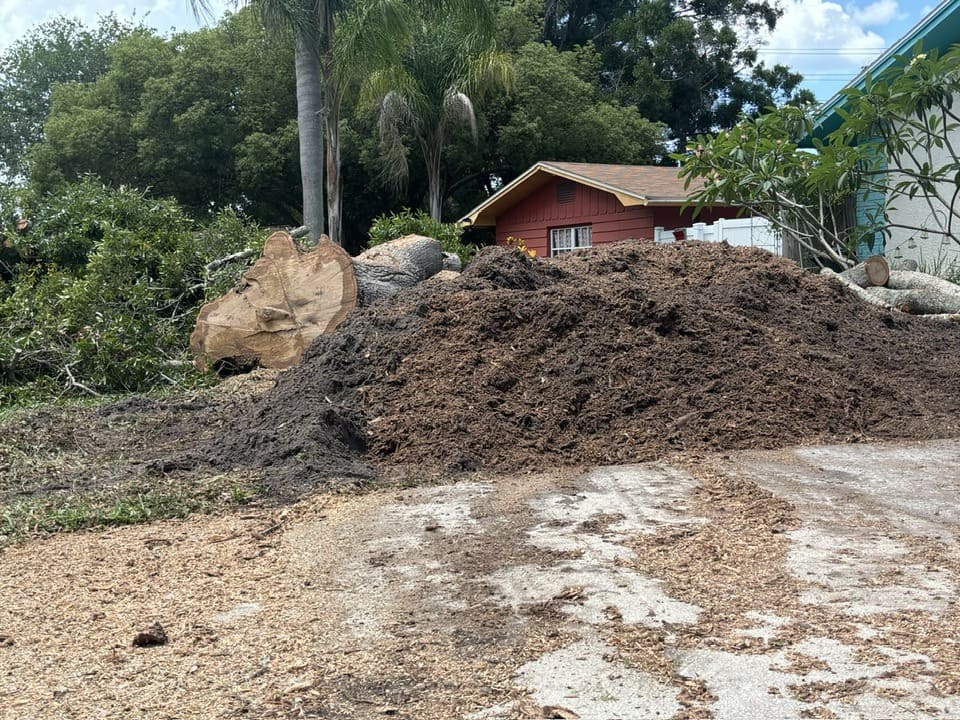
At Tree Tech LLC, each hazardous tree removal is approached with a focus on controlled dismantling, precision cutting, and strict safety protocols. In the recent Dunedin project, a structurally compromised Laurel Oak with multiple cavities was safely removed without incident, protecting both the property and surrounding structures.
If you notice signs of decay, cavities, or instability in your trees, don’t wait for it to become an emergency.
Call (727) 410-4280 or send us a message today to schedule a FREE on-site estimate. We’re here to help protect your property with safe, reliable tree removal services across Dunedin and Pinellas County.
Share This, Choose Your Platform!